
USDA Meat Processing Grants Explained: How to Apply for MPPEP and LAMP Funding Successfully
grants podcast May 14, 2026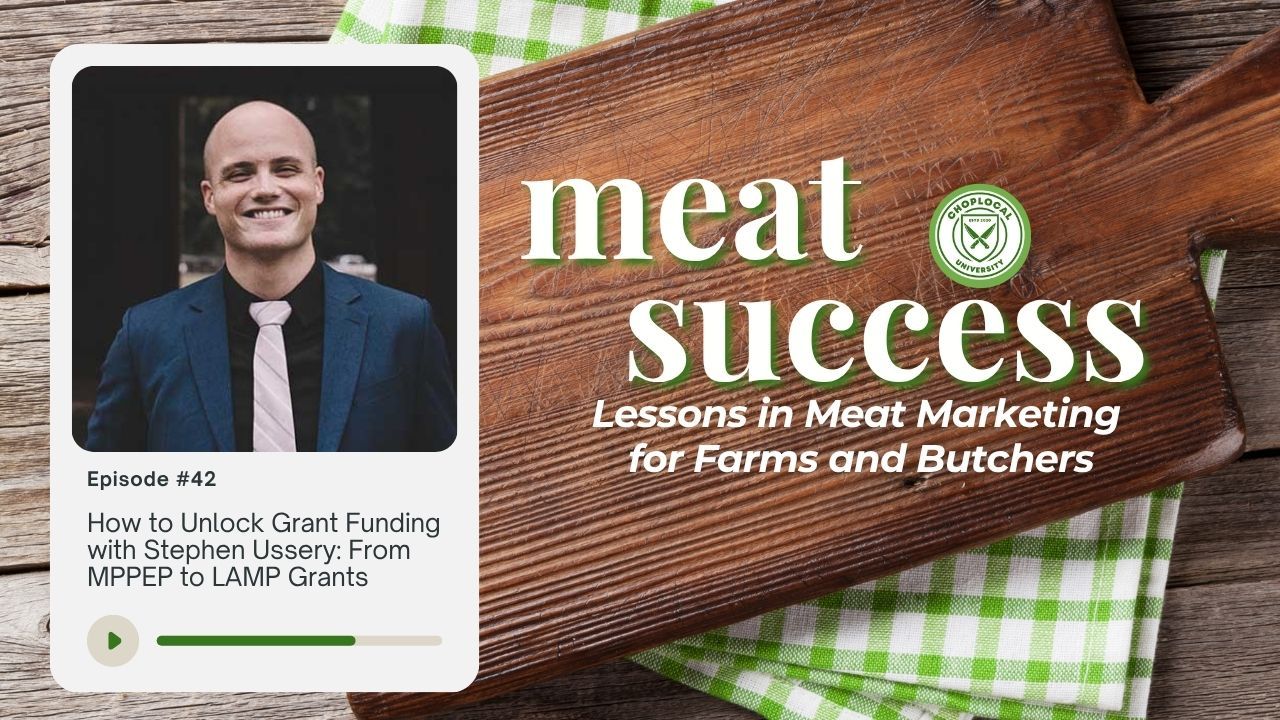
For meat processors, local food businesses, and producer organizations looking to grow, USDA grant opportunities can provide critical funding to expand operations, improve infrastructure, and strengthen local food systems. In a recent episode of the Meat Success Podcast, we sit down with grant expert Stephen Ussery from Stewards Unlimited to break down two major USDA funding opportunities: the Meat and Poultry Processing Expansion Program (MPPEP) and Local Agriculture Market Program (LAMP) grants.
If you operate in the meat processing, livestock, or local food space, understanding how these grants work could make a major difference in your ability to scale and compete.
What Is the USDA Meat and Poultry Processing Expansion Program (MPPEP)?
The Meat and Poultry Processing Expansion Program (MPPEP) was created to strengthen regional meat processing infrastructure across the United States. The program is designed to help small and mid-sized meat processors expand their capacity, modernize facilities, and improve supply chain resilience.
According to Stephen Ussery, one of the most important things applicants need to understand is eligibility.
MPPEP Eligibility Requirements
To qualify for MPPEP funding, projects generally must:
- Involve beef slaughter or meat processing capacity expansion
- Support small to intermediate-sized processors
- Demonstrate a clear impact on regional processing capabilities
- Align with USDA priorities such as increasing competition and supporting producers
Stephen emphasized that applicants should carefully review the USDA scoring rubric before submitting their proposal. Successful applications clearly demonstrate how the project benefits producers, expands processing access, and supports long-term agricultural sustainability.
How to Make Your USDA Grant Application More Competitive
One of the biggest mistakes applicants make is focusing only on their facility needs rather than the broader industry impact. USDA reviewers want to see projects that strengthen the overall food system.
Stephen shared several tips to improve competitiveness when applying for USDA meat processing grants:
1. Align Your Project With USDA Priorities
Applications score higher when they show measurable impacts such as:
- Increased processing capacity
- Expanded market access for producers
- Support for local and regional food systems
- Economic opportunities for rural communities
2. Show Financial Readiness
Grant reviewers want confidence that your project can move forward even if grant funding does not cover every expense. Applicants should demonstrate:
- Matching funds or additional financing
- Realistic project budgets
- Operational preparedness
- Clear timelines and execution plans
3. Build Strategic Partnerships
Collaborating with producers, cooperatives, nonprofits, or local organizations can strengthen your proposal significantly. Partnerships demonstrate community impact and long-term viability.
Important USDA MPPEP Grant Deadlines
Stephen noted that the application deadline for this round of MPPEP funding is August 7th, giving applicants time to prepare a strong proposal, gather supporting documentation, and refine their project narrative.
For businesses considering applying, starting early is critical. USDA applications are detailed, and successful submissions often require multiple revisions and supporting materials.
What Are LAMP Grants?
The conversation also explored USDA Local Agriculture Market Program (LAMP) grants, which include programs like:
- Farmers Market Promotion Program (FMPP)
- Local Food Promotion Program (LFPP)
These grants focus on strengthening local and regional food systems through marketing, education, distribution, and producer collaboration.
While meat processors can technically apply, Stephen explained that nonprofit organizations, cooperatives, and producer groups often have a competitive advantage because their projects tend to create broader community impact.
Who Should Apply for LAMP Grants?
LAMP grants may be especially valuable for:
- Agricultural cooperatives
- Producer associations
- Local food organizations
- Regional marketing initiatives
- Farmer education and training programs
Projects centered around collaborative marketing, food access, or producer development tend to perform well during the review process.
USDA Grant Applications Are Complex — But Worth It
Both Katie and Stephen acknowledged that USDA grant applications can feel overwhelming, especially for first-time applicants. However, they also emphasized that USDA staff are often highly supportive after grants are awarded.
Their biggest advice? Don’t wait for the “perfect” time to apply.
Even applicants who are not selected can gain valuable reviewer feedback that improves future applications. Submitting a proposal now can help businesses better understand the process and position themselves more competitively down the road.
Don’t Overlook State-Level Agriculture Grants
In addition to federal funding opportunities, Stephen encouraged businesses to monitor state-level meat processing and agriculture grants. Many states are launching their own programs to strengthen local food infrastructure and support independent processors.
Signing up for grant alerts and working with experienced grant professionals can help businesses stay ahead of new opportunities as they emerge.
Final Thoughts on USDA Grants for Meat Processors and Local Food Businesses
Whether you’re pursuing USDA MPPEP grants, LAMP funding opportunities, or state-level agriculture grants, preparation and strategy matter. The businesses and organizations that succeed are typically the ones that:
- Start early
- Understand USDA priorities
- Build strong partnerships
- Present clear community impact
- Demonstrate financial and operational readiness
For meat processors and local food entrepreneurs looking to grow in an increasingly competitive marketplace, these grant programs can provide meaningful support for long-term expansion and sustainability.
To learn more about grant opportunities and application support, connect with Stephen Ussery through Stewards Unlimited or tune into the latest episode of the Meat Success Podcast.
Stay connected with news and updates!
Join our email list for the latest tools and tips to help you sell more meat online!
Don't worry, your information will not be shared.
We hate SPAM. We will never sell your information, for any reason.
