
Managing Stress, Anxiety, and Mental Wellness on the Farm
Apr 23, 2026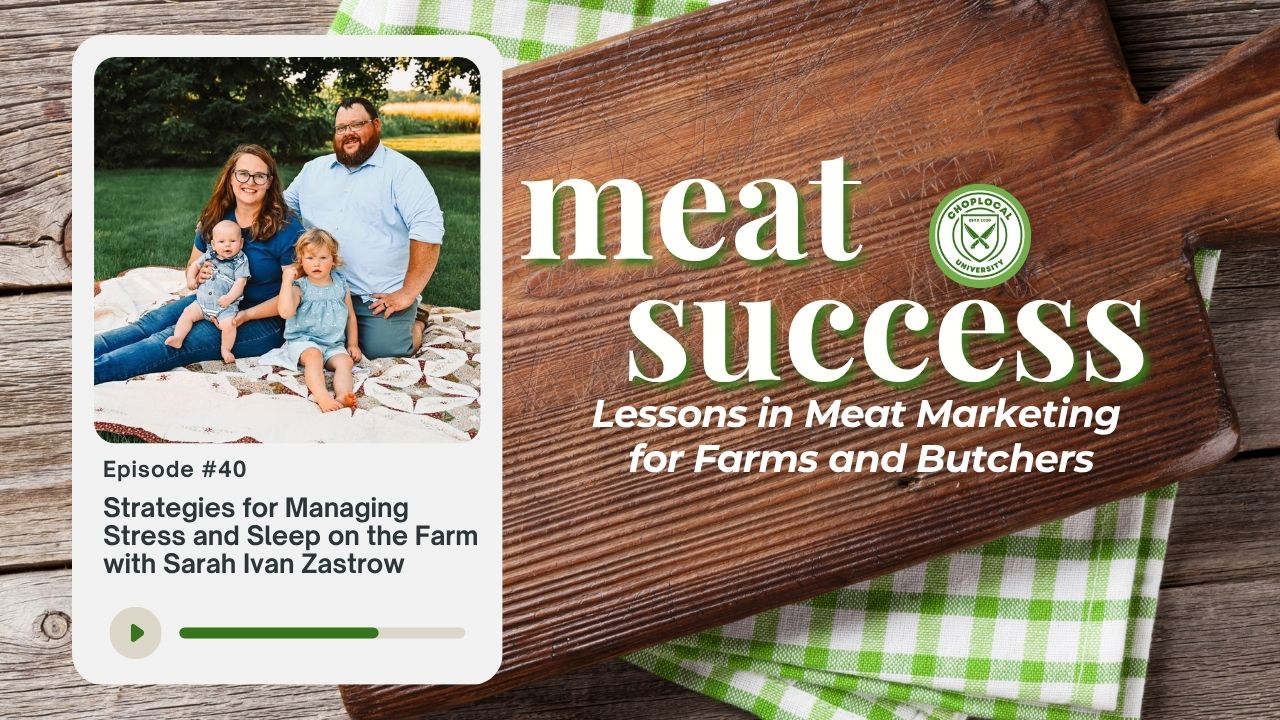
Farming is more than a profession, it’s a lifestyle shaped by long hours, unpredictable conditions, and deep-rooted responsibility. But behind the resilience of the agricultural community lies a growing conversation around farm stress, anxiety, and mental health.
In this episode of the Meat Success podcast, Katie sits down with Sarah Ivan Zastrow, a certified exercise physiologist and mental health advocate, to unpack the realities farmers face, and more importantly, how to manage them.
Understanding Farm Stress and Mental Health in Agriculture
Farm stress is unlike any other. It’s tied to factors largely outside of personal control, weather, markets, equipment failures, and generational expectations. These pressures can take a serious toll on both mental and physical health.
Sarah shares her personal connection to agriculture, recalling how the stress of farm life shaped her upbringing, even influencing her father’s advice not to marry into farming. Yet her path led her back, fueled by a desire to support farmers with practical mental wellness strategies.
Research consistently shows that chronic stress can worsen physical health conditions and reduce overall quality of life. For farmers, who often face limited access to healthcare and time constraints, managing stress becomes both critical and challenging.
Why Sleep Is the Foundation of Mental Wellness
One of the most overlooked tools for managing stress is also one of the most powerful: sleep.
Katie reflects on her mother’s experience with chronic pain and Parkinson’s disease, where guidance from Mayo Clinic emphasized improving sleep as a key step toward relief. Poor sleep doesn’t just cause fatigue—it amplifies stress, increases pain sensitivity, and creates a cycle that can feel impossible to break.
Sarah reinforces that improving sleep quality is often the first domino in better mental health.
Practical Tools for Better Sleep and Stress Reduction
Breaking the cycle of poor sleep doesn’t require perfection, it requires intention. Sarah and Katie share several accessible strategies:
- Guided meditation and relaxation practices
- Sleep-support tools like CPAP machines
- Cognitive behavioral therapy for insomnia (CBT-I)
- Creating consistent nighttime routines
- Reducing mental stimulation before bed
Apps like Calm can offer simple entry points for farmers looking to quiet their minds after long days.
Katie also highlights how reframing anxious thoughts around sleep helped her move from frustration to restfulness, a shift that made a measurable difference in her well-being.
Anxiety and Depression: A Spectrum, Not a Label
Mental health isn’t black and white, it exists on a spectrum.
Sarah explains that anxiety and depression show up differently for everyone, depending on life circumstances, stress levels, and support systems. For farmers, symptoms might not always look like sadness, they can appear as:
- Irritability
- Brain fog
- Fatigue
- Decreased productivity
- Feeling overwhelmed
Normalizing these experiences is a key step in reducing stigma and encouraging people to seek help earlier.
Breaking the Stigma Around Mental Health in Farming
In agriculture, there’s often an unspoken expectation to “push through.” But both Katie and Sarah emphasize that mental health deserves the same attention as physical health.
Open conversations with trusted friends, family members, or professionals can make a meaningful difference. They also acknowledge an important truth: sometimes, therapy and lifestyle changes aren’t enough and medication can be a valid, necessary tool.
Seeking help isn’t weakness. It’s a proactive step toward sustainability, both personally and professionally.
Family Dynamics, Gender Roles, and Burnout
Mental health on the farm doesn’t exist in isolation, it’s deeply connected to family dynamics.
Traditional roles, particularly for women in agriculture, often include managing both farm responsibilities and household duties. This imbalance can quietly lead to burnout, resentment, and emotional exhaustion.
Katie and Sarah advocate for:
- Shared responsibilities within the household
- Clear communication around expectations
- Redefining traditional roles to fit modern realities
Even small shifts can create more balance and improve the overall well-being of farm families.
Using Technology and Community to Lighten the Load
Modern challenges require modern solutions. The conversation also explores how tools like:
- AI assistants
- Digital scheduling tools
- Automation systems
can reduce daily mental load and free up time.
Equally important is community support, neighbors, local networks, and peer groups who understand the unique pressures of farm life. Farming has always been rooted in community, and leaning into that support system can ease isolation.
Final Thoughts: Building Sustainable Mental Wellness on the Farm
Farm life comes with cycles: planting, harvesting, markets, and seasons. Stress follows similar patterns. The goal isn’t to eliminate stress entirely, but to build systems and habits that make it manageable.
Katie shares how a combination of medication, support, and practical tools helped lift her mental fog, offering a powerful reminder that improvement is possible.
Sarah encourages farmers to explore available resources, including her podcast, Throwing Wrenches, Mending Fences, and her YouTube channel, where she shares actionable strategies for farmer health.
Managing stress, anxiety, and mental wellness on the farm requires awareness, intention, and support. By prioritizing sleep, embracing open conversations, redefining family roles, and utilizing available tools, farmers can create healthier, more sustainable lives.
The agriculture industry depends on strong people and that strength starts with mental well-being.
Stay connected with news and updates!
Join our email list for the latest tools and tips to help you sell more meat online!
Don't worry, your information will not be shared.
We hate SPAM. We will never sell your information, for any reason.
